
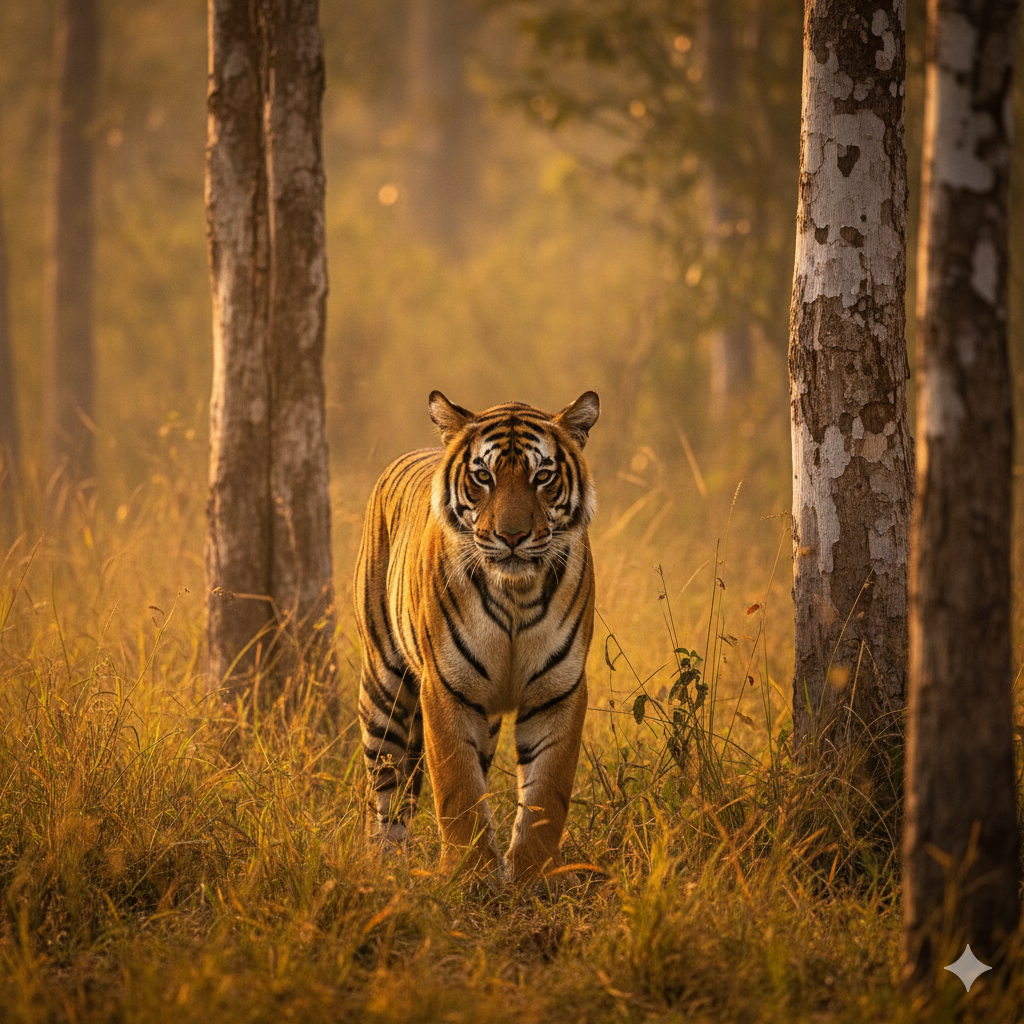
India stands as the global epicenter for tiger safaris, hosting over 75% of the world’s wild tiger population. The 2022 All India Tiger Estimation, with results published in 2023, recorded 3,682 Royal Bengal Tigers, reflecting a robust 6.1% annual growth rate. With 58 tiger reserves spanning over 82,000 square kilometers, including the newly established Madhav Tiger Reserve in Madhya Pradesh (2025), India offers unparalleled opportunities to experience the majesty of the Royal Bengal Tiger in its natural habitat. This article highlights the best tiger safari destinations, why they excel, and how to book tiger safari in India tour in 2025.
The Allure of India’s Tiger Safaris
The Royal Bengal Tiger (Panthera tigris tigris), India’s national emblem, captivates with its striking orange coat and commanding presence. Tiger safaris immerse travelers in diverse ecosystems—from dense forests to wetlands—where tigers coexist with leopards, deer, and vibrant birdlife. Backed by Project Tiger, launched in 1973, India’s conservation efforts have boosted tiger numbers from 1,411 in 2006 to 3,682 in 2022, enhancing sighting probabilities. A safari is not just a wildlife adventure; it’s a journey into India’s conservation success and natural splendor.
Top Tiger Safari Destinations in India for 2025
India’s tiger reserves are renowned for their biodiversity, accessibility, and conservation achievements. Madhya Pradesh leads with 785 tigers, followed by Karnataka (563) and Uttarakhand (560). Below are the premier destinations for 2025, chosen for their high tiger density, scenic beauty, and visitor infrastructure:
1. Bandhavgarh National Park, Madhya Pradesh
Bandhavgarh boasts India’s highest tiger density, making it a top choice for reliable sightings. Its Vindhya hills, ancient fort, and lush forests create a stunning backdrop. The Tala and Magdhi zones are hotspots for spotting tigers, attracting photographers and enthusiasts seeking close encounters.
2. Kanha National Park, Madhya Pradesh
The inspiration for The Jungle Book, Kanha’s meadows and sal forests host thriving tiger populations and unique species like the barasingha deer. Its well-managed safari zones (Kanha, Mukki, and Sarhi) and eco-conscious lodges ensure a holistic wildlife experience.
3. Ranthambore National Park, Rajasthan
Set against Rajasthan’s arid landscapes, Ranthambore blends historical ruins, lakes, and a robust tiger population. Its proximity to Delhi and Jaipur makes it accessible, with Zones 1–5 offering frequent sightings, often framed by the iconic Ranthambore Fort.
4. Jim Corbett National Park, Uttarakhand
Established in 1936, Corbett is India’s oldest national park, nestled in the Himalayan foothills. With 560 tigers, the Dhikala zone is a prime area for sightings, complemented by riverine vistas and diverse wildlife, including elephants and crocodiles.
5. Sundarbans National Park, West Bengal
A UNESCO World Heritage Site, the Sundarbans’ mangrove forests are home to unique swimming tigers. Boat safaris through its tidal channels offer an adventurous alternative to jeep safaris, with chances to spot rare fauna like saltwater crocodiles.
Rising Stars
- Tadoba-Andhari Tiger Reserve, Maharashtra: Known for consistent tiger sightings and luxury accommodations, Tadoba is a favorite for immersive wilderness experiences.
- Pench National Park, Madhya Pradesh/Maharashtra: Another Jungle Book-inspired reserve, Pench offers scenic landscapes and balanced wildlife encounters, ideal for families and repeat visitors.
Why These Parks Excel
These destinations stand out due to:
- High Sighting Probability: Bandhavgarh and Kanha lead in tiger density, while Corbett and Ranthambore offer reliable sightings.
- Unique Ecosystems: From Sundarbans’ mangroves to Corbett’s Himalayan foothills, each park provides distinct settings.
- Conservation Impact: Supported by Project Tiger, these reserves balance tourism with habitat protection.
- Infrastructure: Well-developed safari zones, trained guides, and diverse lodging options enhance visitor experiences.
How to Book a Tiger Safari Tour in India
Planning a tiger safari in 2025 requires strategic preparation to secure permits and optimize your experience. Follow these steps:
- Select Your Park: Choose based on preferences—Bandhavgarh for high sightings, Sundarbans for unique boat safaris, or Corbett for scenic diversity.
- Timing is Key: The best season is October to June, with peak visibility from March to May due to sparse vegetation. Most parks close during the monsoon (July–September).
- Secure Safari Permits: Permits are limited and must be booked 90–120 days in advance via official portals like the National Tiger Conservation Authority (NTCA) website or state forest department sites (e.g., mpforest.org for Madhya Pradesh, rajasthanwildlife.in for Ranthambore). Popular zones like Dhikala and Tala fill quickly.
- Choose a Trusted Operator: Opt for TOFTigers-certified or Ministry of Tourism-approved operators like Pugdundee Safaris, Nature Safari India, or Wild Trails India. Look for packages including jeep safaris, naturalist guides, and sustainable accommodations.
- Safari Options: Jeep safaris (6–8 passengers) offer intimate experiences; private jeeps are pricier but flexible. Canters (up to 20 passengers) are budget-friendly. Sundarbans offers boat safaris.
- Accommodation: Select from luxury lodges (e.g., Taj Mahua Kothi in Bandhavgarh), mid-range resorts, or budget forest rest houses. Book early for peak season (December–April).
- Prepare for the Safari:
- Essentials: Pack neutral-colored clothing, binoculars, a zoom-lens camera, sunscreen, and insect repellent.
- Guides: Request certified naturalists for insights into tiger behavior and ecosystems.
- Etiquette: Maintain silence, avoid flash photography, and adhere to park rules to minimize wildlife disturbance.
- Budget Planning: Expect ₹5,000–₹15,000 ($60–$180) per jeep safari, excluding stays. Multi-day packages range from ₹50,000–₹2,50,000 ($600–$3,000) per person, depending on luxury level and duration.
Conservation and Responsible Tourism
India’s tiger population growth—from 1,411 in 2006 to 3,682 in 2022—reflects the success of Project Tiger, bolstered by tools like M-STrIPES and camera traps. Yet, habitat loss and human-wildlife conflict remain challenges. Responsible tourism supports conservation by:
- Generating revenue for reserves through permits and fees.
- Empowering local communities via jobs as guides and lodge staff.
- Promoting sustainable practices, such as low-impact safaris and eco-friendly lodges.
Choose operators committed to sustainability and avoid activities that harm wildlife, like littering or off-road driving.
Tips for a Memorable 2025 Safari
- Maximize Sightings: Book 3–5 safaris across different zones to increase tiger sighting chances.
- Stay Patient: Tigers are elusive; enjoy the broader ecosystem, including birds and other mammals.
- Explore New Reserves: Check out Madhav Tiger Reserve for emerging safari opportunities in Madhya Pradesh.
- Engage Locally: Learn from guides about conservation efforts and local culture.
- Pack Smart: Carry lightweight gear and avoid strong perfumes that may disturb wildlife.
Conclusion
A tiger safari in India is a transformative adventure, blending the thrill of spotting a Royal Bengal Tiger with the serenity of its wilderness. From Bandhavgarh’s high-density trails to Sundarbans’ mystical waterways, India’s top reserves offer diverse experiences backed by robust conservation efforts. By booking strategically with ethical operators and embracing responsible tourism, you contribute to preserving India’s tigers for future generations. Plan your 2025 tiger safari tour today and embark on a journey into the heart of the wild.